CD - Streaming - Tuner - Turntable - DA Converter
Once you have sorted out the power supply, it is time to connect the hi-fi system. The first devices used for this are:
Tuners
And so on
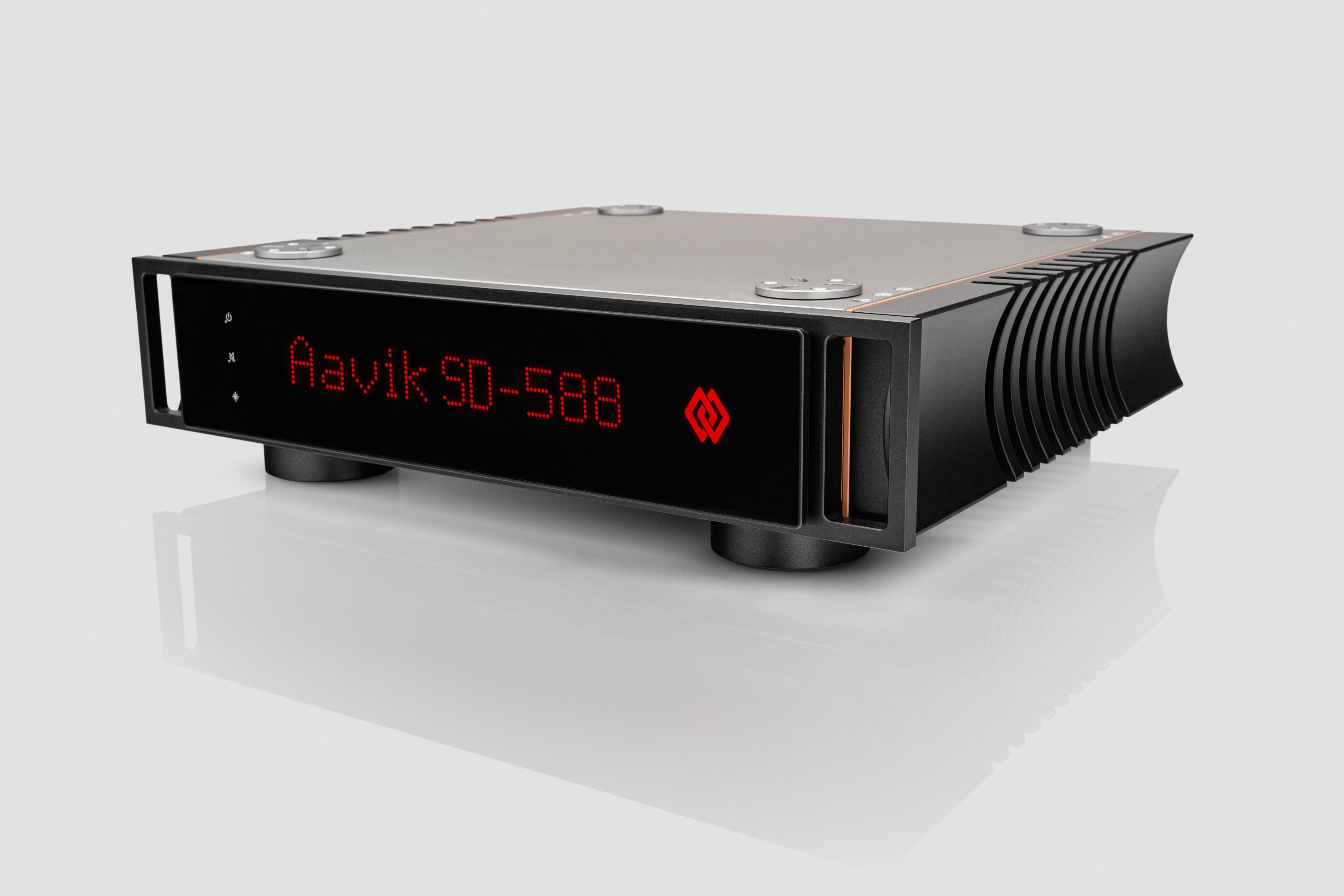
The source is connected to the power outlet. The CD player needs nothing else. Power on, connect to the amplifier, and play. There are also CD transports. These have only digital outputs, and for these you will need a DA converter (Digital to Analog Converter). The streamer requires an additional connection, namely the network. This can be wired (Ethernet) or wireless (WiFi), depending on the brand. Wired sounds better than WiFi, and it can be connected directly to the router, or even better, via a good audio-grade network switch. These streamers also come in two varieties. Streamers with only digital outputs and streamers with (also) an analog output. A turntable requires a phono preamp, and a tuner is connected to an antenna connection. We barely sell tuners anymore, as they are hardly used anymore. Via internet radio (streamers) you can listen to virtually any available radio station. Further on, the sources are described in detail.
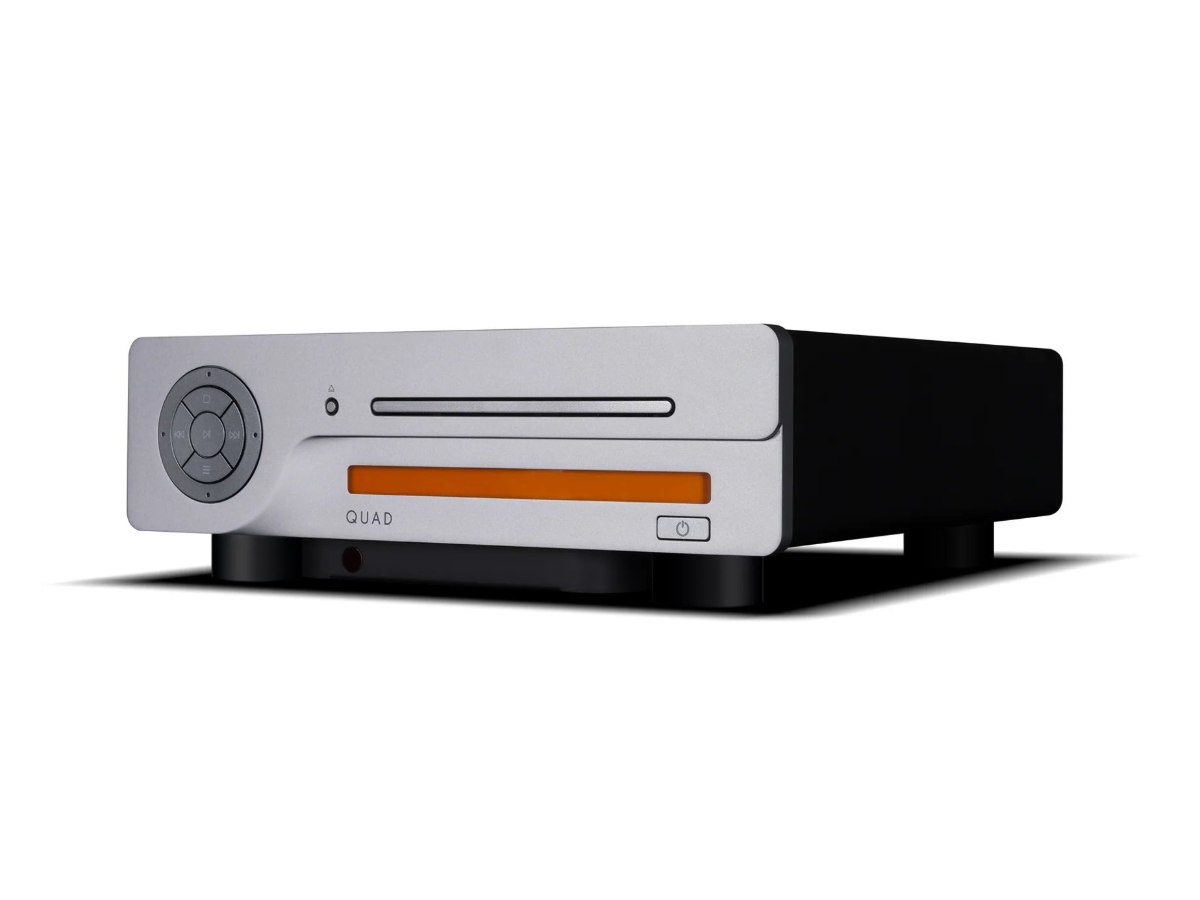
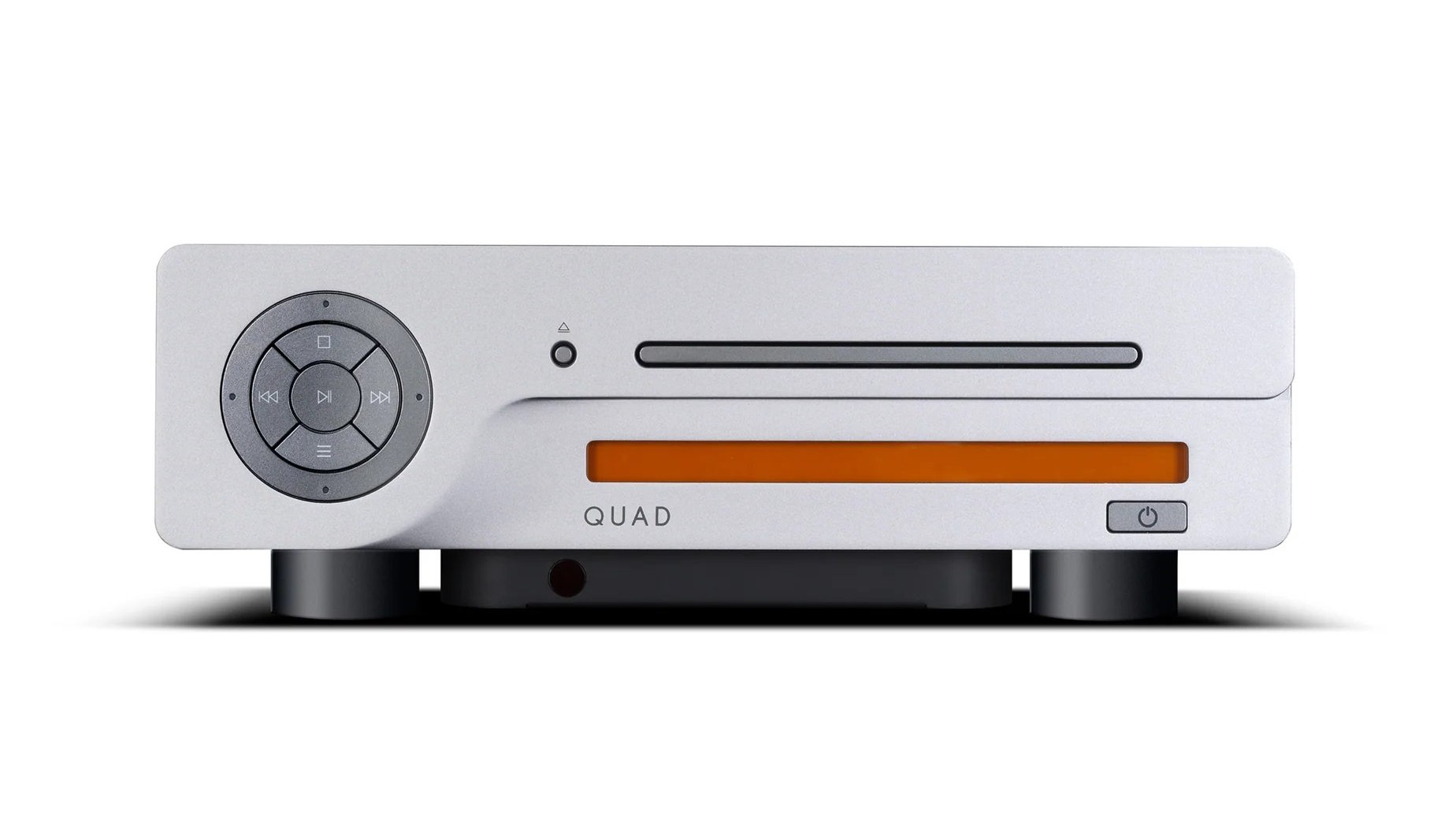
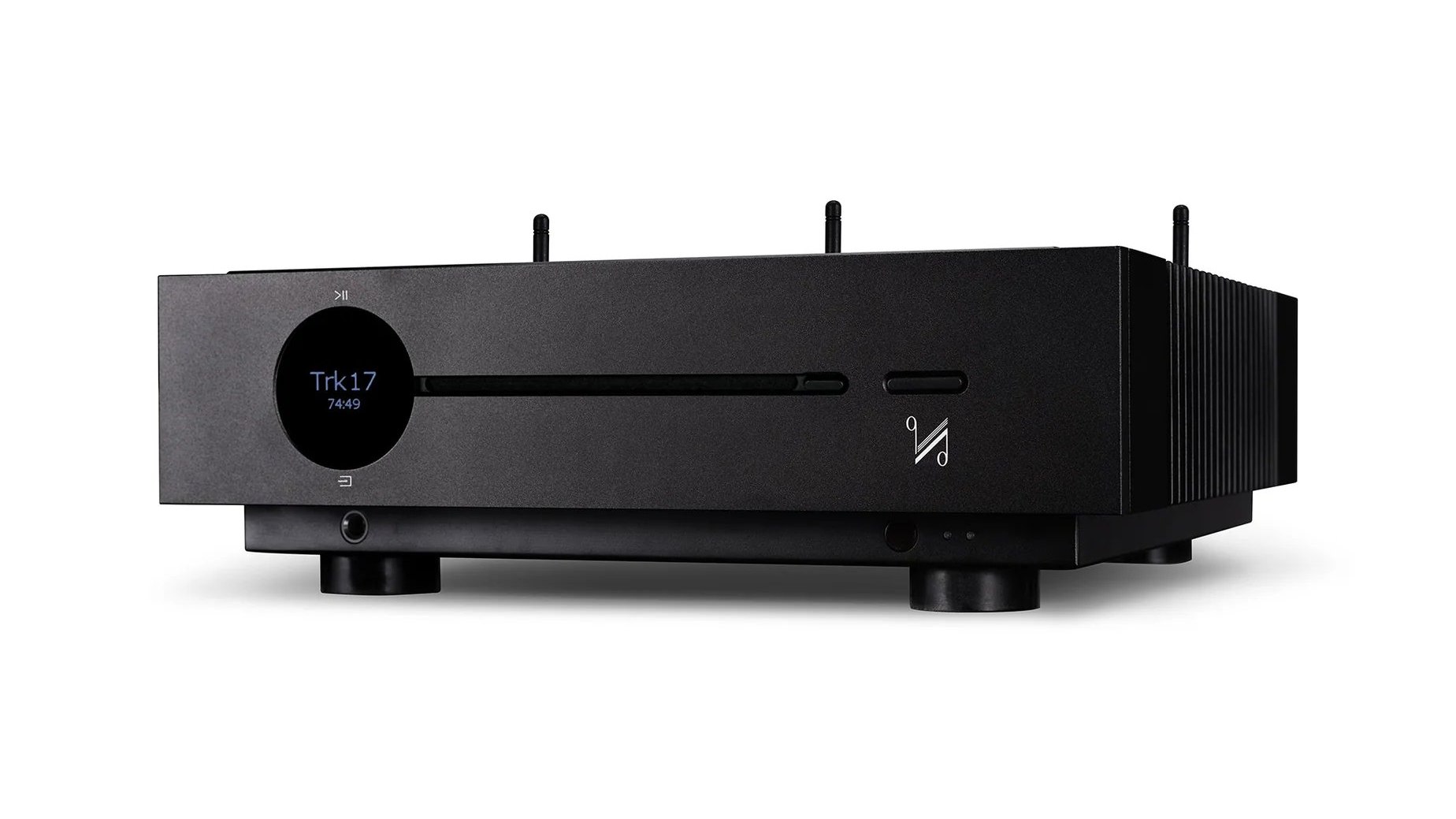
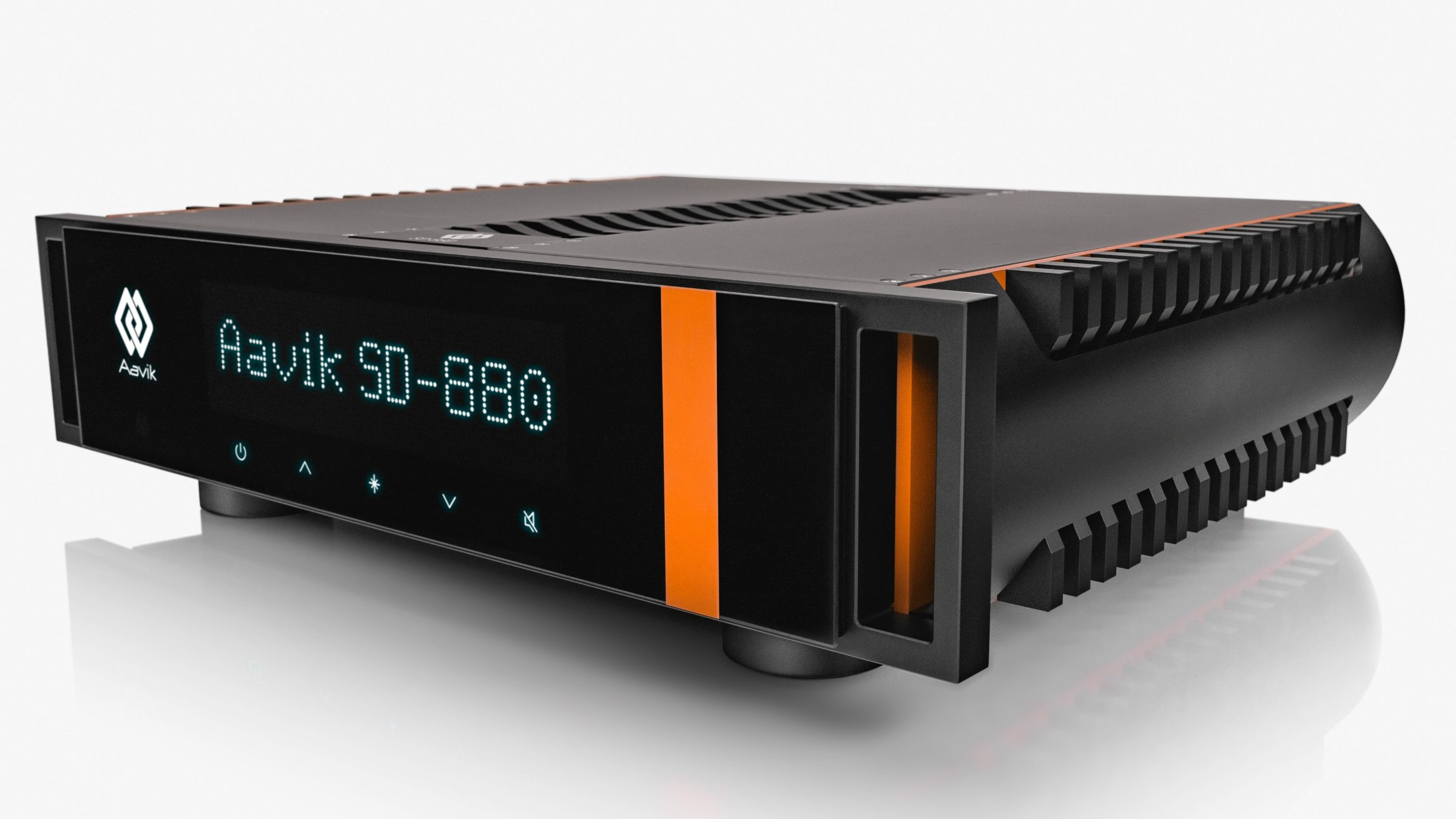
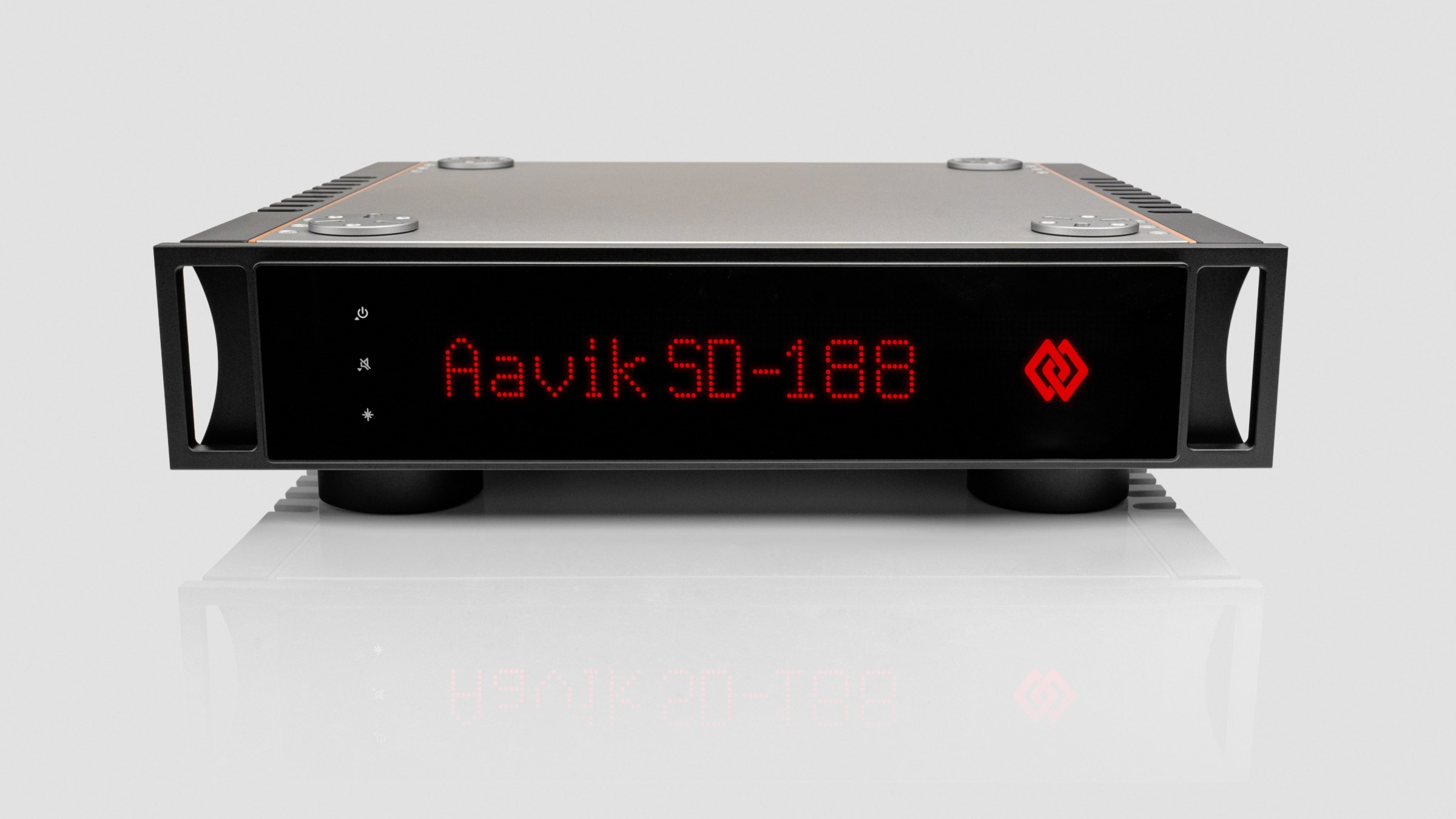
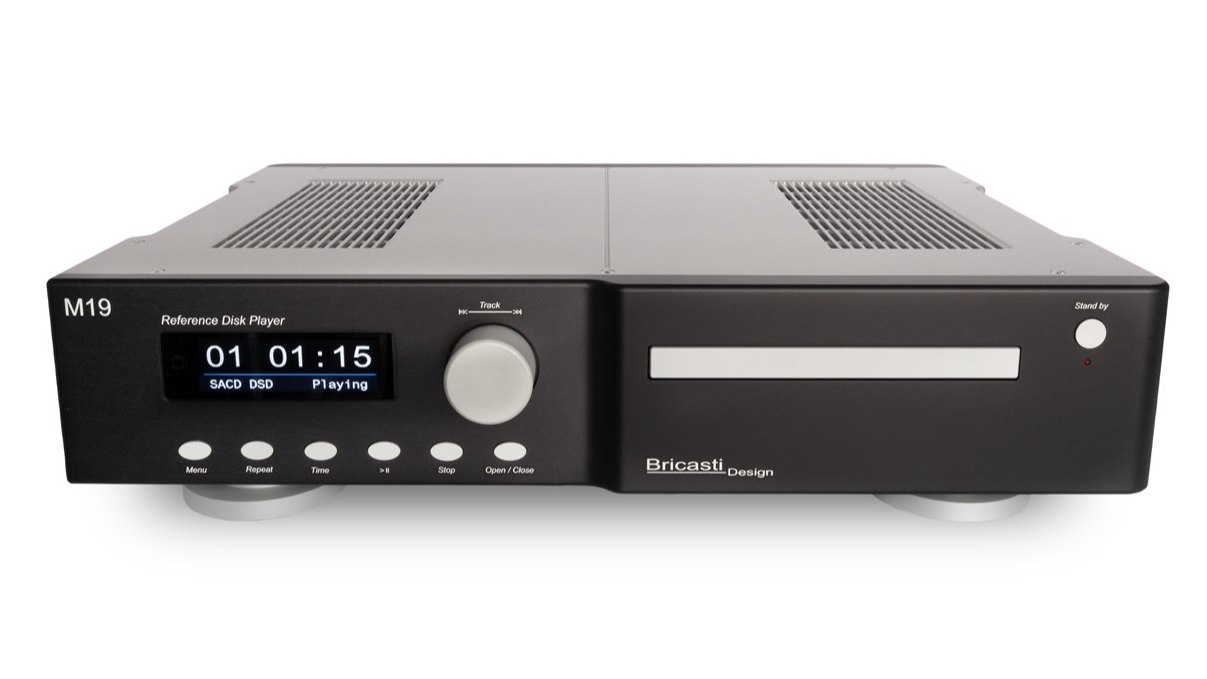
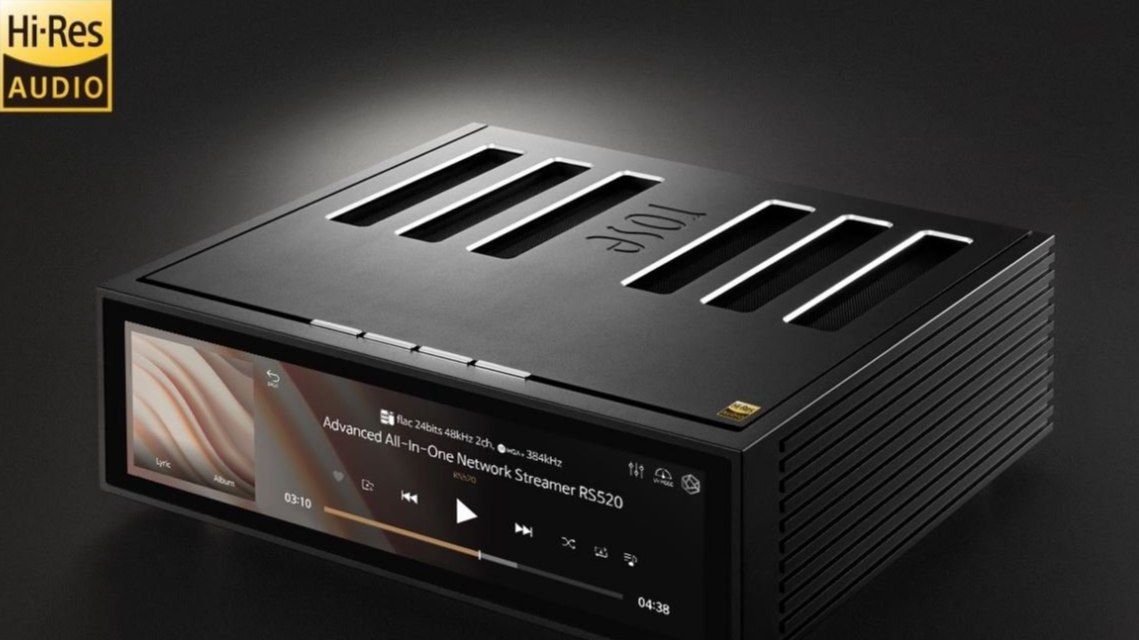
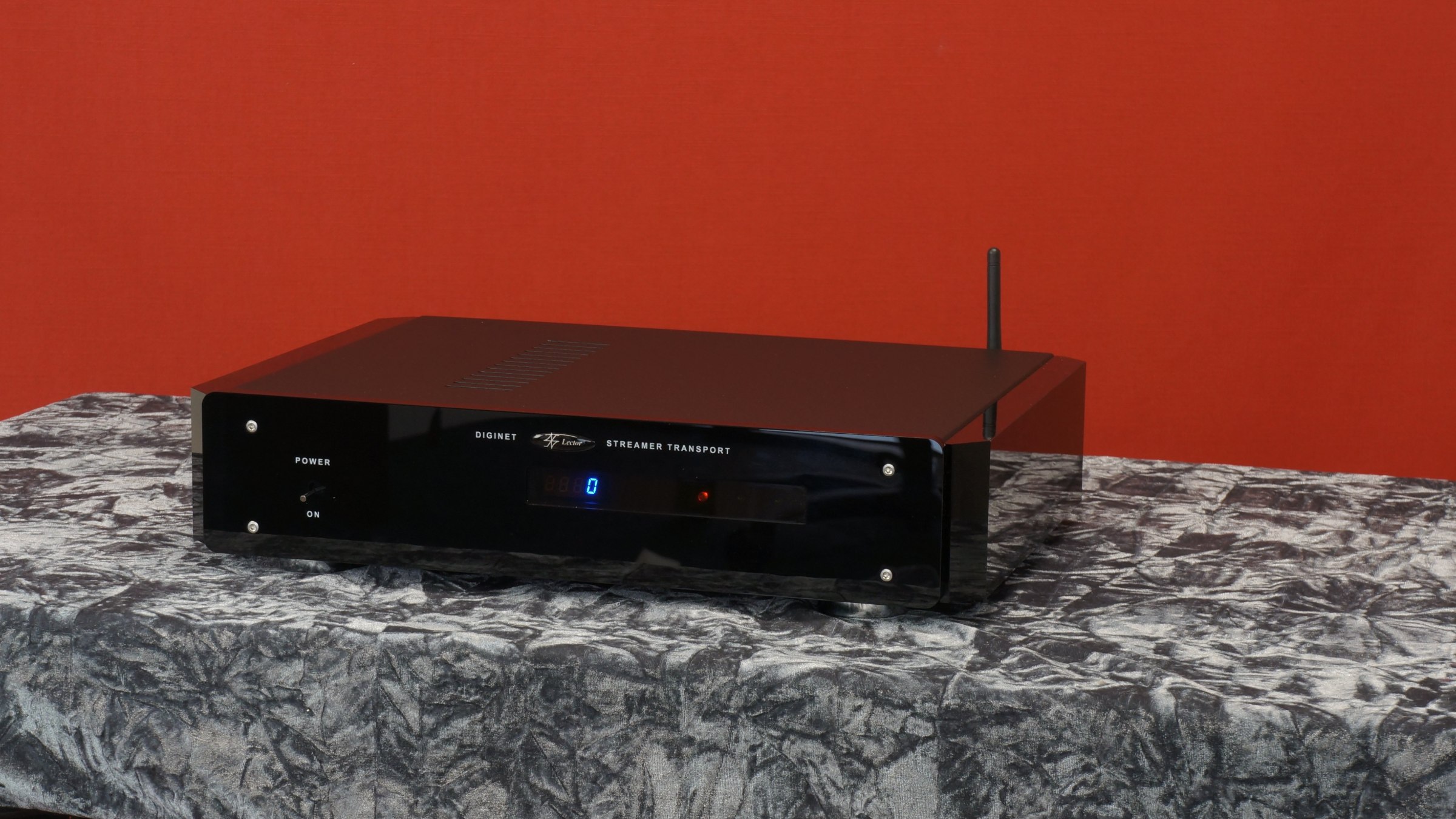
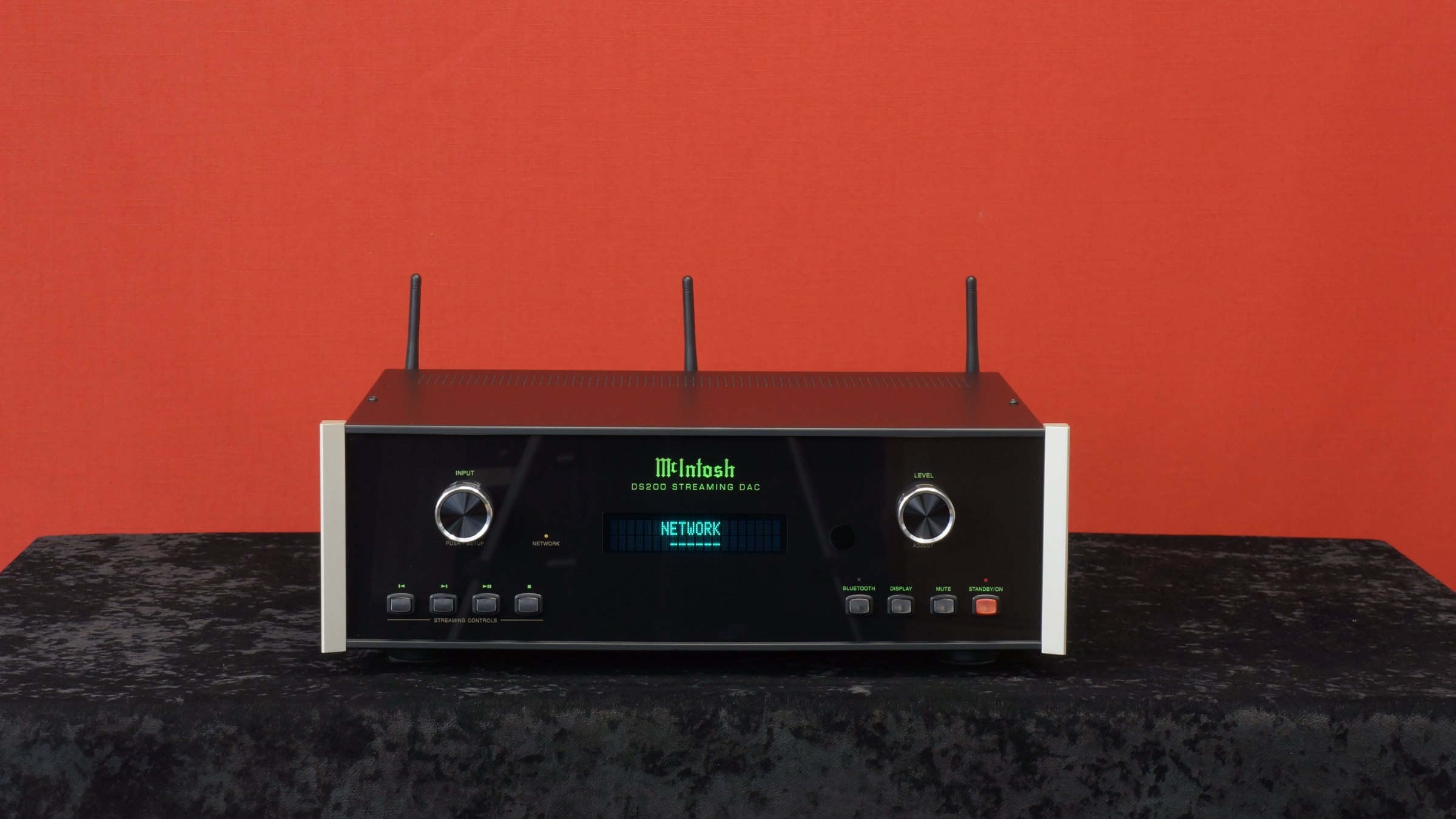
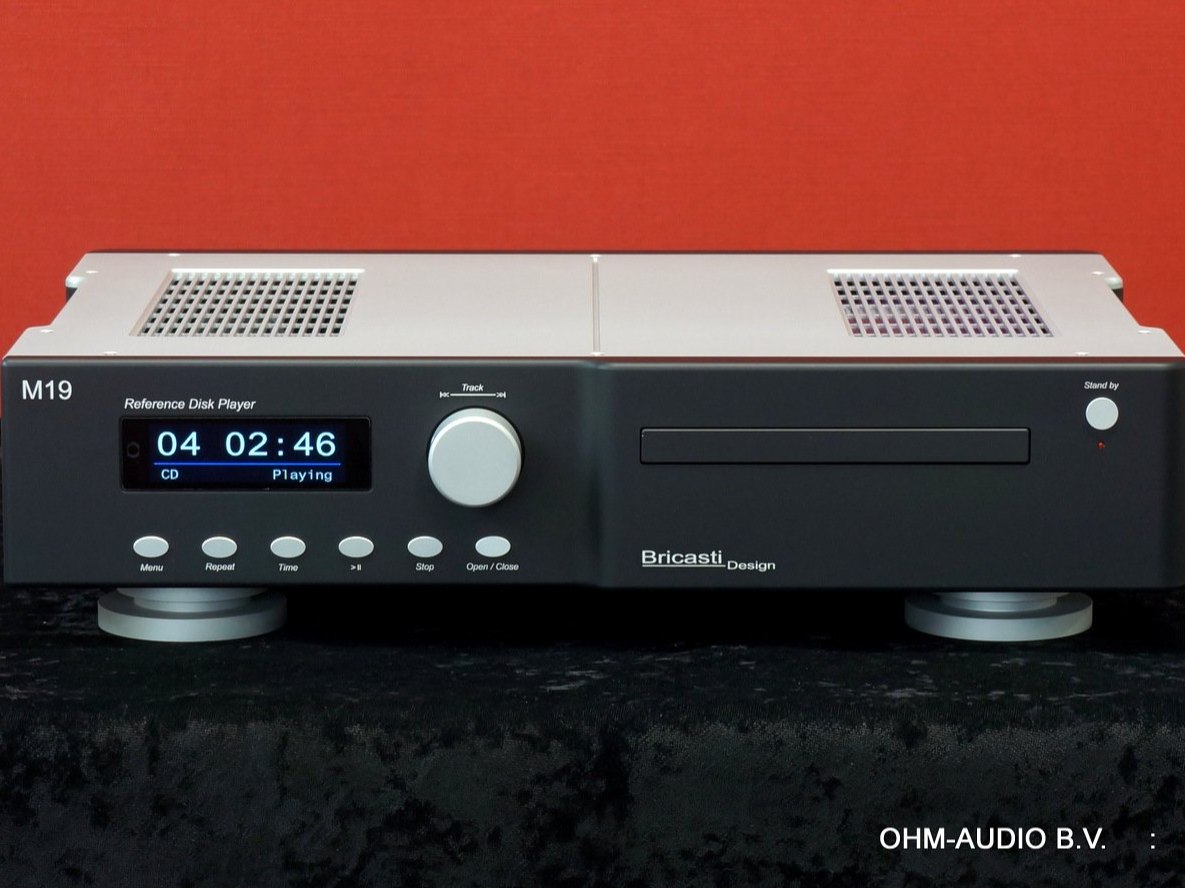
The CD player and SACD player are devices that retrieve digital information from a compact disc optically, using a laser. Hence the name Compact Disk. The CD was introduced in 1982 by Philips and Sony, and was an immediate success. Finally, pure sound without the scratches and crackles of a record, and with very low noise. That was quite different with a vinyl record. To this day, the CD remains popular, and you can still buy them new, and there is also an enormous secondhand market for them. An advantage of a CD is that it always works and has nothing to do with network outages or bugs or anything like that. Furthermore, they sound very good. Some even believe they sound better than streaming, and that could well be the case. Of course, that depends on the quality of the CD player and the streamer to compare them like that. But they do sound good and they stay good. According to some, it could be even better, and that's how the SACD disc was developed. Not long after, the DVD Audio disc also came along, but that quickly disappeared again. Hardly anyone has them anymore. The SACD, however, has remained, but in very modest numbers. Technically, there is a difference between the CD and the SACD. The CD works with 44,000 words of 16 bits per second. The SACD works with 2,822,400 words of 1 bit per second. A completely different system. The CD has a frequency range up to 22,000 Hz and the SACD has a frequency range up to 100,000 Hz. In practice, that doesn't make much difference, because humans can only hear up to 20,000 Hz maximum. Most audiophiles are getting on a bit, and for them 10,000 Hz is already quite an achievement. Fortunately, there isn't much musical information above 10,000 Hz. So the frequency range isn't that interesting. What is interesting, however, is that the SACD disc contains a higher resolution. The SACD can thus sound a bit more refined. Of course, this depends on the recording, because a tape from 1930 won't sound any better on an SACD disc. But anyway, they exist, and they can sound very good, but you'll need a special SACD player for that, and there aren't that many of them. Fortunately, we can also find SACD recordings in some download stores as DSD files. You can save these DSD files on a computer disk (SSD/HDD) and play them via a streamer.
The technology of CD and SACD
So a CD uses 44,000 values of 16 bits each to reconstruct a music signal of 2 volts. These bits consist of 16 different bits. This is called PCM. The largest bit is 1 bit of 1 volt, and then one of ½ volt, 1 of ¼ volt and so on down to the smallest bit which is 1/32768 volt. The smallest bit is thus 32,758 times smaller than the largest bit, which is 1 volt. The largest bit is 1 volt, and the smallest bit is therefore 0.0000305 volt. This also shows the weak point of a Ladder DAC. If the largest bit, which is 1 volt, has a deviation of 0.1%, that is a deviation of 0.0001 volt and that is already many times larger than the smallest bit. The original waveform cannot be reproduced exactly with this system (Ladder DAC). A DSD signal does not have this problem, because it uses only 1 bit, a very small bit, but then a lot of them very quickly one after another. This is called DSD. You can compare this to a bucket of water of 2 liters, where 2 liters stands for the maximum voltage of 2 volts, and 0.000305 liters stands for the lowest voltage of 0.000305 volt. A ladder DAC fills the bucket with a cup of 1 liter, one of ½ liter and so on to the last mini cup which contains 0.000305 liters. These cups are thrown into the bucket simultaneously, and when all cups are full (all bits thus at 1), you have approximately 2 liters of water in the bucket. With DSD you don't have 16 different cups, but only one, a thimble of for example 0.0001 liters. You throw this in lightning fast, one after another into the bucket, 20,000 times per second, and you have exactly 2 liters. With DSD you therefore have no deviations, because you only use 1 bit, and it is the same every time. Is DSD always a better format then? Technically yes, but in terms of hearing we prefer to leave it to the listener. We at team Ohm-Audio BV have heard great CDs and bad SACDs, and vice versa. Just forget the technology, but enjoy listening.
PCM and DSD
The CD has a PCM signal, which can vary from 16Bit/44KHz to a maximum of 32Bit/192KHZ. The SACD uses a DSD signal which varies from DSD64 (64 x the 16Bit/44KHz CD resolution) to DSD512 (512 x the 16Bit/44KHz CD resolution)
DOP
Some (SA)CD players and also streamers with an SPDIF connection support DOP. That means DSD Over PCM. If your DA converter also supports this, you can play SACD discs or play DSD files via your DA converter without using a USB cable. The DSD signal then simply goes through the SPDIF cable to your DA converter. Handy.
There is a clear and simple distinction between Players and Transports.
The (SA)CD Player
A (SA)CD Player always has analog outputs. RCA or balanced XLR. You can therefore connect these Players directly to the analog inputs of any integrated amplifier or preamplifier. The quality of the (SA)CD Player is thus determined by the technology (Power supply, Drive mechanism, Housing, Clock etc) and of course the built-in DA Converter. This means you can buy (SA)CD Players ranging from a few hundred to many thousands of euros.
The (SA)CD Transport
A (SA)CD Transport has exclusively digital outputs. You always need an external DA Converter for it. Sometimes this is built into your amplifier or preamplifier, but the best DA Converters are separate devices that can perfectly convert the offered digital signals. The digital outputs of a (SA)CD Transport are usually SPDIF via RCA or BNC, and a Toslink connection (fiber optic cable). Sometimes you will also find an AES/EBU Balanced SPDIF output. The occasionally occurring SACD Transports have an output specifically for SACD discs. This output is often HDMI but an Ethernet cable is also sometimes used. Since there is no standard for connecting a SACD transport, you must set the output on the DAC via dipswitches, but we are happy to do that for you.